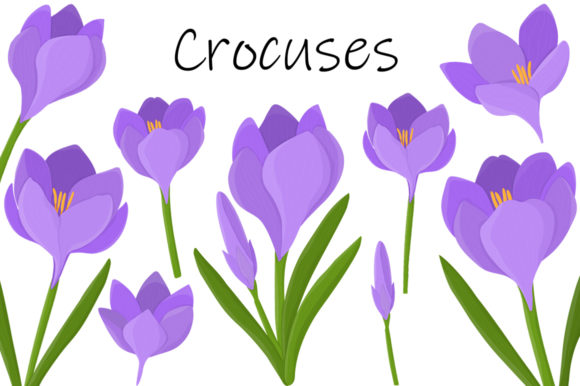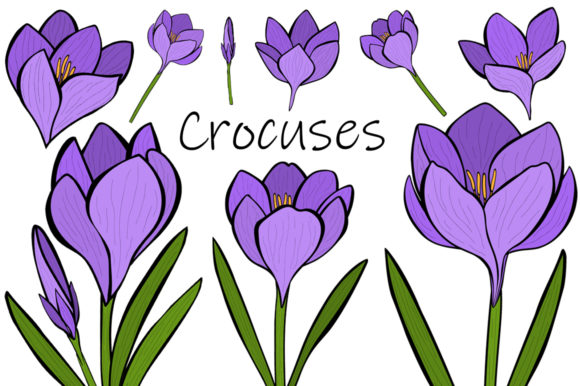
Crocuses Vector. Crocuses Flower
As a designer who spends half my life staring at stitch charts and the other half worrying about how a design will hold up after ten wash cycles, I approach every new machine embroidery design with a healthy dose of skepticism. We have all been there: you buy a file that looks stunning in the preview window, only to find it becomes a tangled mess on the hoop or disappears into the fabric texture when stitched out. That is why I took Crocuses Vector. Crocuses Flower for a spin. This isn’t just another generic floral clipart; it is a digital embroidery file that promises a romantic and subtle aesthetic, making it a strong candidate for spring collections, baby items, and boutique branding.
The first thing that strikes you about this design is its mood. It does not scream for attention like a bold geometric pattern or a heavy block lettering piece. Instead, it whispers. The vector nature of the original asset translates well into clean lines, which is crucial for embroidery. When we talk about converting Illustrations and Graphics into stitchable formats, the clarity of the source vector often dictates the success of the final product. Crocuses Vector. Crocuses Flower feels airy and light, suggesting a design that relies on negative space rather than dense coverage. This is a smart choice for designers looking to create products that feel elegant rather than cluttered.
Real-World Application: The Tote Bag Test
To truly evaluate any embroidery project, you have to imagine it on a physical object. My mental test case for this specific design was a custom embroidered tote bag for a local flower shop or a personal gift for a gardener. Why a tote? Because canvas bags are forgiving yet unforgiving—they show every thread break and uneven tension immediately. If I were to place Crocuses Vector. Crocuses Flower on the center front of a natural cotton canvas tote, the result would likely be sophisticated. The delicate nature of crocuses aligns perfectly with the rustic charm of a handmade bag.
However, the placement matters. Because this is a tote bag design that leans towards subtlety, putting it too high might make it look lost against the shoulder straps. Placing it slightly lower, perhaps centered on the body of the bag, allows the eye to rest on the intricate details of the petals. For an Etsy seller or a small shop product creator, this kind of versatile placement increases the perceived value. It looks intentional, not accidental. The design’s ability to work as both a standalone motif and part of a larger arrangement makes it highly valuable for commercial use.
Performance on Different Fabrics and Garments
While the tote bag is a strong contender, the versatility of Crocuses Vector. Crocuses Flower extends to other categories. Let us consider sweatshirt embroidery. Spring is a transitional season, and people love wearing light florals on hoodies and crewnecks during March and April. Here, the design shines because it avoids the "heavy" look of dense fill stitches. If you are designing for a craft business, knowing that your design won’t weigh down the fabric or cause puckering is a massive selling point. Customers appreciate comfort, and a lightweight floral cluster on the chest area offers that perfect balance of decoration and wearability.
Another excellent application is baby embroidery. Crocuses are often associated with new beginnings and springtime births. Using this design on a onesie, a burp cloth, or a nursery wall hanging taps into a very emotional market. The softness implied by the vector shape translates to a gentle visual experience, which is exactly what parents look for. However, when working with baby clothes, you must be mindful of the finish. Ensure that the back of the stitching is smooth against the baby’s skin, which means checking your stabilizer choices and ensuring no loose threads remain after trimming.
Where Caution Is Required
No design is without its limitations, and being honest about where Crocuses Vector. Crocuses Flower might struggle is part of professional review. First, avoid using this on textured fabrics like heavy waffle knits or bouclé wool. The fine details of the flowers will get swallowed by the fabric’s surface, resulting in a muddy appearance. Similarly, stretchy fabrics require careful stabilization. While the design may not be overly dense, the movement of the fabric can distort the delicate curves of the petals if the hooping is not secure.
Dark fabrics present another challenge. If the original vector uses light colors, stitching them onto a black background might require a heavy underlay or multiple passes to achieve opacity, which changes the drape of the garment. Always test your thread colors against your target fabric. A pastel yellow or lavender crocus might vanish on a navy blue shirt unless you use a high-quality, opaque thread. Furthermore, be wary of placing this design on curved surfaces like caps or hats unless you are experienced with 3D hooping. The flat, graceful lines of the vector might not translate well to the curve of a baseball cap brim, potentially causing distortion at the edges.
Design Clarity and Visual Appeal
From a purely aesthetic standpoint, this design enhances brand consistency for businesses aiming for a soft, feminine, or nature-inspired identity. It contributes to professionalism because it looks refined rather than amateurish. When a customer sees a well-executed finished product with clear, distinct petals, they trust the maker’s skill. This design supports that trust by offering a clean structure that is easy to digitize correctly. It does not rely on complex, error-prone techniques like intricate shading or tiny text, which reduces the risk of production errors.
The visual appeal also plays a role in buyer engagement. In online listings, such as those on Etsy or social media, photos of embroidered items need to pop. A simple, elegant floral cluster photographs beautifully because it catches the light without creating harsh shadows or deep voids. This makes it easier for printable mockup creators to showcase the design effectively, helping sellers attract more clicks and sales.
Practical Notes for Embroidery Designers
If you are planning to incorporate Crocuses Vector. Crocuses Flower into your workflow, here are some essential steps to ensure success:
- Test on Scrap Fabric: Never go straight to the final product. Stitch the design on the exact fabric type you intend to use. This reveals issues with tension, thread breakage, or color contrast early.
- Check Stitch Density: Even though this is a subtle design, verify that the stitch density is appropriate for your machine and fabric. Too much density on light fabric can cause puckering.
- Review Small Details: Zoom in on the digital preview. Are the petal tips too thin? Will they fray easily? Adjusting the digitization to slightly thicken delicate lines can improve durability.
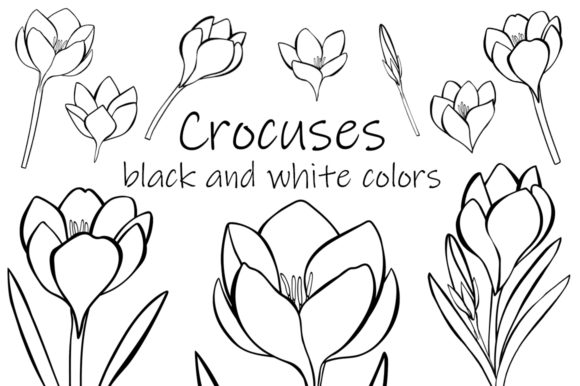
- Black and White Mockups: Convert your design to grayscale to check contrast. If the design loses its shape in black and white, it may lack sufficient definition in color.
- Stabilizer Selection: Use a cut-away stabilizer for woven fabrics like cotton or linen to prevent shifting, and a tear-away for stable knits, depending on the weight of the garment.
- Licensing Confirmation: Before selling commercial embroidery items, double-check the license terms. Some vectors allow personal use only, while others permit commercial sales of finished goods. Protect your craft business by understanding these rules.
In conclusion, Crocuses Vector. Crocuses Flower is a thoughtful addition to any design assets library. It offers a blend of elegance and practicality that appeals to a wide range of customers, from hobbyists making personalized gifts to apparel decorators building their next collection. By paying attention to fabric choice, stabilization, and proper testing, you can transform this digital graphic into a beautiful, tangible handmade product that stands out in a crowded marketplace.