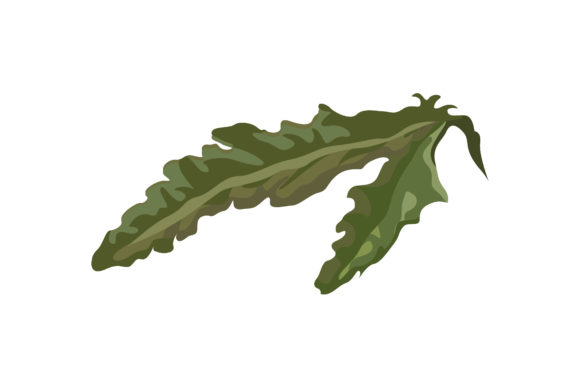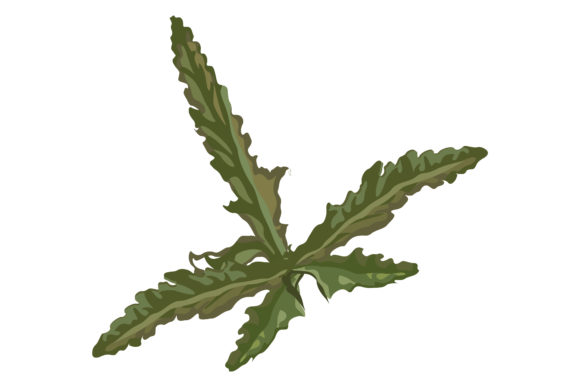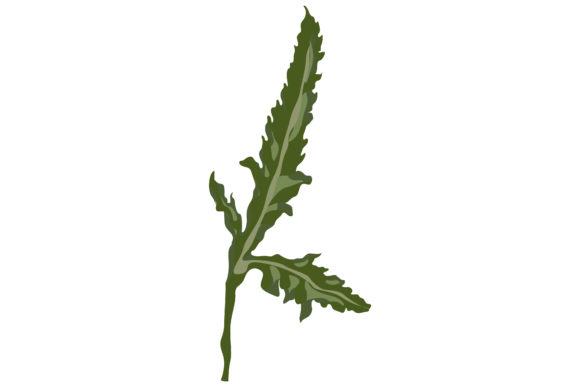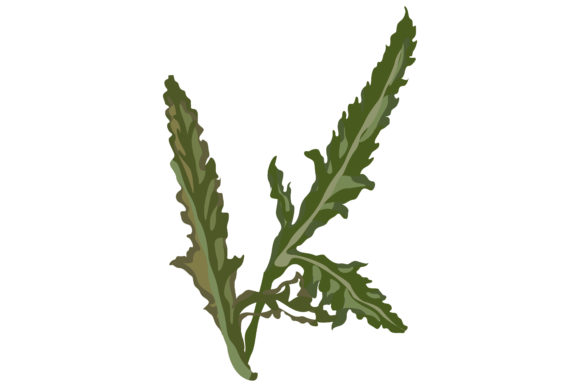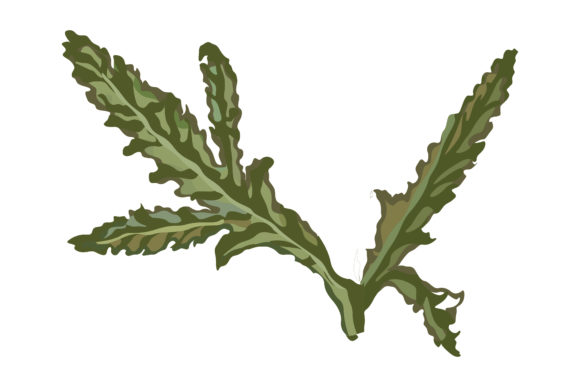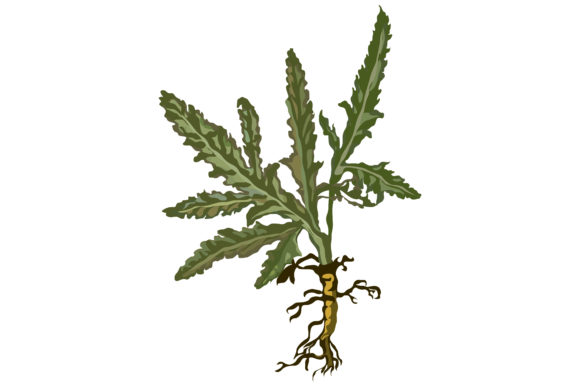
Green Leaves of Poppies with Roots
When I sit down to review a new machine embroidery design, I am rarely looking for just another pretty picture. I am looking for viability. As a designer who frequently creates assets for Etsy sellers, boutique brands, and custom apparel clients, my primary concern is always: will this hold up in the hoop? Will it translate well from screen to fabric? And most importantly, does it add enough perceived value to justify the time and thread cost?
This week, I put the 6.Green Leaves of Poppies with Roots file through its paces. The product description highlights it as a botanical design available in six formats, but those technical specs don’t tell you how the leaves drape or how the roots anchor the composition on cotton twill. After testing various stitch types and fabric textures, here is my honest breakdown of where this design fits best and what you need to watch out for.
The First Impression: Mood and Composition
The immediate visual impact of 6.Green Leaves of Poppies with Roots is one of grounded elegance. Unlike many poppy designs that focus solely on the bright, chaotic bloom, this design emphasizes the foliage and the root structure. For an illustrator or graphic artist, this shift in focus is significant. It moves the piece from a simple floral accent to a more organic, earthy statement.
In terms of layout, the design feels balanced. The sweeping curves of the green leaves provide a natural frame, while the intricate root system at the base adds a layer of complexity that suggests depth. When I first loaded the embroidery file into my digitizing software, I appreciated the clear separation between the leaf veins and the root lines. This clarity is crucial because it prevents the design from turning into a muddy blob during the stitching process. The mood is serene yet resilient—perfect for brands that want to convey growth, nature, or stability.
Real-World Application: Where Does It Shine?
I believe the strongest use case for this design lies in the realm of personalized gifts and home decor. Specifically, I see this performing exceptionally well on natural fiber fabrics. Let’s look at a few scenarios:
- Custom Tote Bag Design: Imagine this embroidered on a heavy canvas tote. The contrast between the sturdy bag material and the delicate root details creates a sophisticated, artisanal look. It elevates a basic accessory into a statement piece.
- Baby Embroidery: Because the design is botanical rather than cartoonish, it works beautifully on baby onesies or nursery wall hangings. The green tones are soothing, and the "roots" theme subtly suggests grounding and care, which resonates with new parents.
- Kitchen Towels and Aprons: There is a rustic charm to this design that fits perfectly in a farmhouse-style kitchen. On a linen tea towel, the roots can mimic the texture of wood grain or woven baskets, adding visual interest without overwhelming the utility of the item.
- Sweatshirt Embroidery: For a hoodie or crewneck, placing this design off-center on the chest or as a large back print gives it a modern, streetwear vibe. The verticality of the roots draws the eye downward, creating a flattering silhouette.
For commercial embroidery projects, this design also serves as excellent design assets for mockups. If you are selling digital products or printable art, this illustration provides a strong focal point that customers can easily visualize on their own merchandise.
Technical Considerations and Stitch Density
No matter how beautiful a Graphics file looks on screen, the devil is in the stitching. With 6.Green Leaves of Poppies with Roots, attention must be paid to stitch density. The root section, in particular, appears to have fine, intersecting lines. If the stitch density is too high, the fabric may pucker or become stiff, especially if you are using a lightweight cotton or rayon blend.
I recommend reviewing the satin stitch quality on the leaf edges. If the satin columns are too narrow, they may not lay flat against the fabric, leading to a jagged appearance. Conversely, if they are too wide, you lose the delicate vein detail. During my test, I found that using a slightly softer thread weight helped maintain the integrity of the finer root lines without causing tension issues.
Another critical factor is the hoop size. Ensure your machine’s hoop can accommodate the full height of the design, including the trailing roots. If you are working on a curved surface like a cap, this design might be challenging due to its vertical length. In such cases, consider scaling it down or focusing only on the leaf portion for smaller accents.
Fabric and Stabilizer Choices
The success of this project hinges largely on your choice of stabilizer. Because the design includes both fill stitches (likely used for the leaves) and potentially running stitches (for the roots), a cut-away stabilizer is generally safer than a tear-away. This ensures the design remains stable during washing, which is vital for any handmade product intended for long-term use.
When selecting your thread colors, stick to true greens for the leaves and earthy browns or tans for the roots. Avoid overly neon or artificial shades, as they will clash with the natural aesthetic of the botanical theme. Testing on scrap fabric first is non-negotiable. It allows you to check fabric texture interaction and ensure the colors pop as expected under different lighting conditions.
Where to Exercise Caution
While this design is versatile, there are specific contexts where it may not perform optimally:
- Small Hoop Sizes: If you attempt to fit this entire design into a small 4x4 hoop, you risk losing the resolution of the root details. Fine lines may merge together, resulting in a loss of definition.
- Stretchy Fabrics: While possible, embroidering dense botanical designs on highly stretchy materials like spandex blends can lead to distortion. Use a strong, supportive stabilizer and consider hooping the fabric tightly to minimize movement.
- Dense Stitch Areas: Be mindful of the areas where roots overlap. Excessive layers of thread can create bulk, making the finished product uncomfortable to wear, particularly on garments like baby clothes or fitted shirts.
- Dark Fabric Backgrounds: If you are using dark fabrics, ensure your thread colors have sufficient contrast. Light green leaves may disappear against navy or black backgrounds unless you use a lighter shade of green or add a contrasting outline.
Final Verdict for Creators and Sellers
Overall, 6.Green Leaves of Poppies with Roots is a sophisticated addition to any digital embroidery file library. It offers a unique twist on the traditional poppy motif by emphasizing the structural beauty of the plant itself. For craft business owners, this design provides a professional, high-end look that appeals to customers seeking quality and authenticity.
It is particularly effective for personalized gift markets, where the symbolism of roots can be leveraged in marketing copy to suggest stability, family ties, or personal growth. Whether you are creating a single custom order or producing batch inventory for an online shop, this design holds its own.
Before committing to a large production run, I strongly advise checking the licensing terms associated with the file. Confirm whether you are allowed to sell finished physical items or if restrictions apply to commercial embroidery usage. Additionally, verify the exact file formats included to ensure compatibility with your specific embroidery machines.
By treating this design with the respect it deserves—choosing the right fabrics, stabilizers, and threads—you can create a finished product that not only looks stunning but also stands the test of time. It is a testament to the fact that sometimes, the roots are just as important as the bloom.