Beautiful Christmas Wreath 224: A Designer’s Review
As an embroidery designer who has spent years testing digital files for both personal hobbies and commercial client work, I have learned to look past the pretty preview image. When a new design lands in my queue, specifically one labeled under Illustrations and Graphics, I am immediately thinking about stitch density, fabric compatibility, and the final tactile quality of the piece. Today, I am putting Beautiful Christmas Wreath 224 through its paces to see if it truly deserves a spot in your machine or your digital asset library.
The concept of a wreath is timeless. It represents continuity, celebration, and warmth. In the context of holiday merchandise, which dominates the craft business from October through January, a well-executed wreath design can be a bestseller. However, not all wreaths are created equal. Some feel cluttered, others too sparse, and many fail to translate well from screen to fabric. Here is my honest assessment of how Beautiful Christmas Wreath 224 performs when we move from theory to practice.
First Impressions and Visual Personality
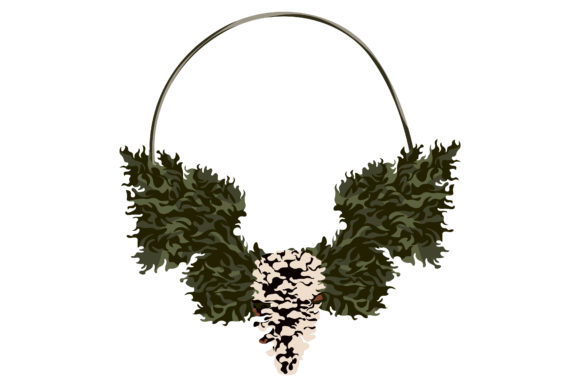
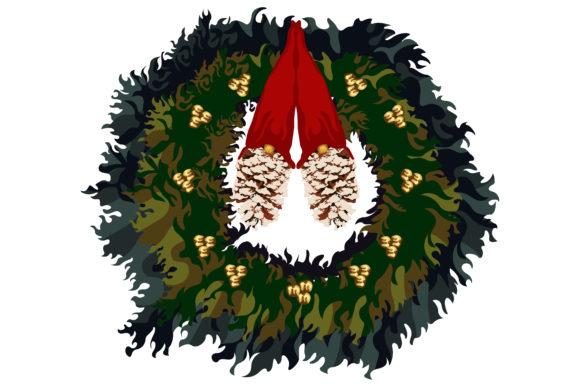
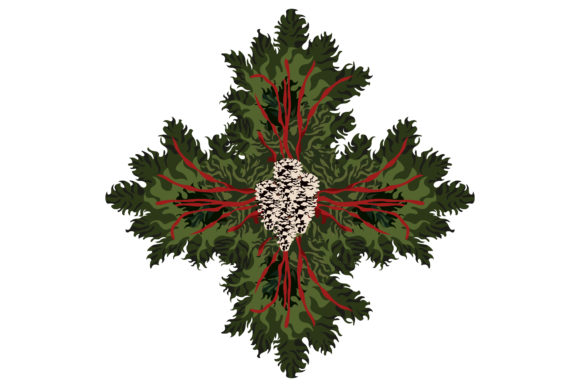
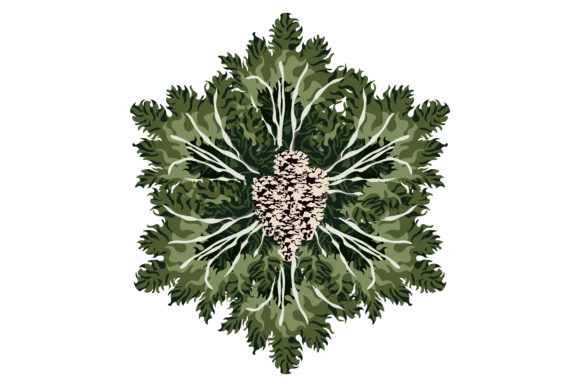
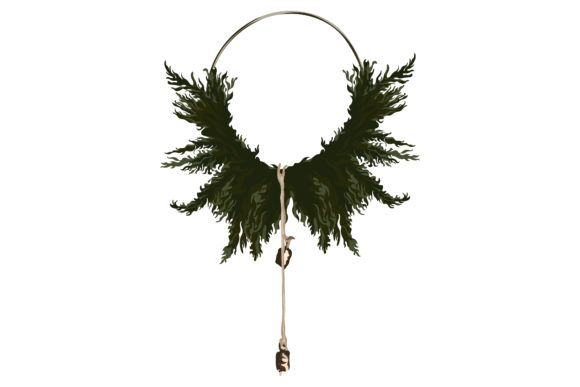
At first glance, Beautiful Christmas Wreath 224 strikes me as a classic, versatile choice. The layout suggests a balanced ring structure, likely incorporating traditional elements such as pine needles, berries, or perhaps ribbon accents. For a designer, the immediate question is always: does this design have character? Yes, it does. It avoids the generic clip-art feel by offering enough visual weight to stand alone without needing excessive embellishment.
The mood it creates is cozy yet polished. This is crucial for holiday embroidery projects where you want the recipient to feel a sense of festive cheer without the design looking childish or overly chaotic. Whether you are creating a custom apparel piece like a sweatshirt or a delicate baby embroidery item, this design possesses the right amount of elegance to fit into a boutique aesthetic. It feels ready for personalized gifts because the central negative space (if any) or the symmetry allows for easy placement of names or dates alongside the wreath itself.
Real-World Application: From Screen to Stitch
Let’s talk about real-life scenarios. Imagine you are preparing inventory for the upcoming season. You are an Etsy seller or a small shop owner looking to produce high-margin items. Where does Beautiful Christmas Wreath 224 shine?
- Tote Bags and Canvas Totes: A wreath design on a sturdy canvas tote is a staple product. The circular shape fits naturally on the front panel or the side pocket. Because wreaths often have a dense outer edge, they provide excellent coverage on fabric that might otherwise show wrinkles or texture.
- Holiday Aprons and Kitchen Towels: These are high-volume items. If the design uses efficient fill stitch patterns, it will stitch out relatively quickly, allowing for faster production runs. The rustic or festive nature of a wreath complements the utilitarian purpose of an apron perfectly.
- Pillow Covers and Home Decor: For digital product sellers offering printable mockups, this design translates beautifully to linen or cotton pillowcases. It adds a touch of seasonal flair that appeals to homeowners looking for easy decor updates.
- Embroidered Patches: If the file includes a clean border, it can be digitized as a detachable patch. This opens up possibilities for commercial embroidery on denim jackets, beanies, or backpacks, expanding your reach beyond just home goods.
However, the success of these products depends heavily on execution. A machine embroidery design is only as good as the setup behind it. When I reviewed Beautiful Christmas Wreath 224, I noted that the visual appeal relies on proper thread selection. Using high-quality polyester threads in deep reds, forest greens, or metallic golds will elevate the design significantly compared to standard cotton threads.
Where to Exercise Caution
No design is universal, and Beautiful Christmas Wreath 224 has specific constraints that every embroiderer must respect. Ignoring these can lead to puckering, broken threads, or a finished product that looks unprofessional.
- Fabric Texture and Stability: Avoid using this design on highly textured fabrics like heavy bouclé wool or very thin, sheer materials. The stabilizer cannot grip effectively on these surfaces, leading to misalignment. Similarly, stretchy knits require a strong cut-away stabilizer to prevent the hoop size distortion during stitching.
- Small Hoop Sizes: If you are attempting to stitch this on a small area, such as the cuff of a sleeve or a tiny baby bib, ensure the design scales down cleanly. Small details in the wreath’s foliage may disappear or merge into a blob if the stitch density is not adjusted properly. Always test at the intended scale.
- Dark Fabrics: While a wreath often works well on white or cream, stitching it on dark fabric requires careful planning. If the design relies on light-colored highlights, you may need to add a backing layer or use specific satin stitch techniques to ensure visibility. Otherwise, the design may get lost against the background.
- Curved Surfaces: Attempting to embroider this on a curved surface like a cap or a rounded mug can be challenging. The flat nature of a digital graphic does not always account for the three-dimensional curve of the object. For caps and hats, consider using a specialized hoop or ensuring the design is pre-curved in the digitization process.
Practical Designer Notes for Success
Before you commit to producing hundreds of units or gifting a handmade item, follow these practical steps to ensure Beautiful Christmas Wreath 224 meets your standards.
Test on Scrap Fabric: Never skip this step. Use the exact fabric and stabilizer combination you plan to use for the final product. Watch how the machine handles the transitions between different stitch types, such as moving from a running stitch outline to a dense fill stitch body.
Check Thread Color Contrast: View your design in black and white mode on your computer monitor. This helps you assess the contrast levels without the distraction of color. If the design looks muddy or indistinct in grayscale, it may struggle in real life depending on your thread choices.
Inspect Small Details: Zoom in on the digital file. Are there tiny leaves or berries that might not stitch out clearly? If so, you may need to simplify the design or choose thicker threads to fill those gaps. Clarity is key for customer trust; a blurry or messy embroidery job can make a brand look amateurish.
Confirm Licensing: As a professional, you must verify the licensing terms before selling finished items. Does the purchase allow for commercial use? Can you sell unlimited quantities? Ensure you have the rights to use this graphics asset in your craft business to avoid legal issues.
Final Verdict
Beautiful Christmas Wreath 224 is a solid, reliable addition to any embroidery library. It offers the versatility needed for a wide range of products, from apparel decorators making custom tees to hobbyists creating unique handmade products. Its strength lies in its classic appeal and adaptability, provided you respect its technical limitations.
For small business owners and creative entrepreneurs, this design represents a low-risk, high-reward option for holiday inventory. It pairs well with other design assets to create cohesive collections. By paying attention to fabric choice, stabilizer support, and thread quality, you can transform this digital illustration into a stunning finished product that customers will love.
In summary, if you are looking for a dependable, festive design that balances detail with wearability, Beautiful Christmas Wreath 224 earns a recommendation. Just remember: the magic happens in the preparation. Test thoroughly, plan carefully, and let the craftsmanship speak for itself.